
How Wellness Programs for Communities Promote Health

When you think about health, you might picture doctors, hospitals, or medicine. But health is so much more than that. It’s about feeling good in your body, mind, and spirit. It’s about having support, connection, and resources that help you thrive every day. That’s where wellness programs for communities come in. These programs are designed to bring people together, nurture well-being, and create environments where everyone can flourish.
I want to share with you how these programs work, why they matter, and how you can get involved or even start one in your own neighborhood. Together, we can build healthier, happier communities.
Why Wellness Programs for Communities Matter
Wellness programs for communities are more than just activities or classes. They are lifelines that connect you with others who care about your well-being. These programs often focus on holistic health, which means they look at your physical, mental, and emotional needs all at once.
When you join a community wellness program, you’re stepping into a space where you can:
Learn new skills to manage stress and anxiety
Find support for mental health challenges
Engage in physical activities that suit your pace and preferences
Connect with others who understand your experiences
Access resources that might otherwise feel out of reach
For those of us with neurodivergent traits, such as being on the autism spectrum or having ADHD, these programs can be especially valuable. They often offer tailored approaches that respect your unique needs and strengths. This inclusive environment helps you feel seen, heard, and supported.
By participating in these programs, you’re not just improving your own health. You’re also contributing to a culture of care and kindness that lifts everyone up.

How Wellness Programs for Communities Support Mental Health
Mental health is a vital part of overall wellness, yet it can sometimes be overlooked or misunderstood. Wellness programs for communities often include mindfulness practices, therapy groups, and educational workshops that help you understand and manage your mental health.
For example, mindfulness sessions teach you how to stay present and calm, even when life feels overwhelming. Therapy groups provide a safe space to share your feelings and learn from others who face similar challenges. Educational workshops might cover topics like emotional regulation, coping strategies, or building resilience.
These programs also reduce stigma around mental health by normalizing conversations and encouraging openness. When you see others talking about their struggles and successes, it becomes easier to do the same. This sense of belonging and acceptance is healing in itself.
If you’re looking for a welcoming place to explore your mental wellness, consider checking out community wellness programs. They offer a variety of options designed to meet you where you are.

What are the examples of community wellbeing?
Community wellbeing can take many forms, depending on the needs and interests of the people involved. Here are some examples that might inspire you:
Group Exercise Classes
Activities like yoga, tai chi, or walking groups encourage physical health while fostering social connections. These classes often adapt to different ability levels, making them accessible to everyone.
Nutrition Workshops
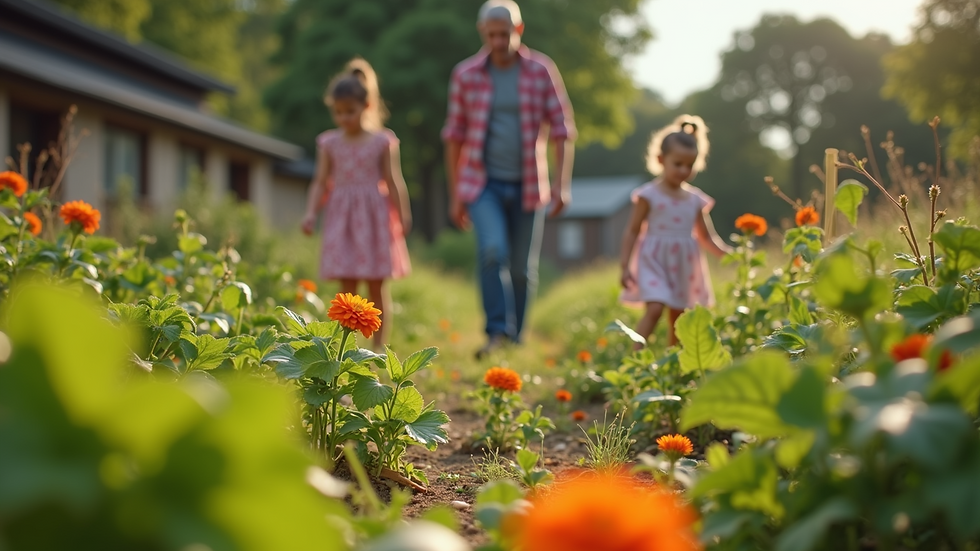
Learning about healthy eating and cooking can empower you to make better food choices. Some programs even include community gardens or cooking demonstrations.
Support Groups
Whether it’s for parents, caregivers, or individuals with specific conditions, support groups provide emotional comfort and practical advice.
Creative Arts Programs
Art, music, and dance can be powerful tools for expression and healing. Community art projects or classes invite you to explore your creativity in a supportive setting.
Educational Seminars
Topics might include stress management, sleep hygiene, or financial wellness. These sessions equip you with knowledge to improve your daily life.
Volunteer Opportunities
Giving back to your community can boost your sense of purpose and connection. Many wellness programs include volunteer projects that benefit local neighborhoods.
Each of these examples shows how community wellbeing is about more than just individual health. It’s about creating spaces where everyone feels valued and supported.
How You Can Get Involved or Start a Wellness Program
If you’re feeling inspired, you might wonder how to join or even start a wellness program in your area. Here are some practical steps to help you get going:
Explore Existing Programs
Look for local groups, community centers, or online platforms offering wellness activities. Many programs welcome new members and volunteers.
Identify Community Needs
Talk to neighbors, friends, or local organizations to find out what kinds of wellness activities people want or need.
Partner with Experts
Reach out to mental health professionals, fitness instructors, or nutritionists who might be interested in collaborating.
Start Small
Begin with simple gatherings like a weekly walk, a meditation circle, or a book club focused on wellness topics.
Create a Welcoming Space
Make sure your program is inclusive and accessible. Consider sensory-friendly environments and flexible participation options.
Promote Your Program
Use social media, flyers, or word of mouth to spread the word. Highlight the benefits and invite everyone to join.
Remember, every effort counts. Even small steps can lead to meaningful change in your community’s health and happiness.
Embracing a Healthier Future Together
Wellness programs for communities are powerful tools for building stronger, more connected, and healthier neighborhoods. They offer you a chance to grow, heal, and support others in a warm and inclusive environment. Whether you join an existing program or start your own, you’re contributing to a future where everyone can thrive.
I encourage you to explore the options available and take that first step toward greater wellness. Together, we can create communities where health is a shared journey, and every person feels empowered to live their best life.


Comments